


When system integrity and safety are non-negotiable under extreme pressure, the choice of valve becomes a critical engineering decision. High Pressure Ball Valves are specifically engineered to perform where standard valves would fail. This guide delves into what sets these robust components apart, their key design features, and how to select the right one for your most challenging operations — including Ball Valve Class 1500 and Ball Valve Class 2500 applications.
What is a High Pressure Ball Valve
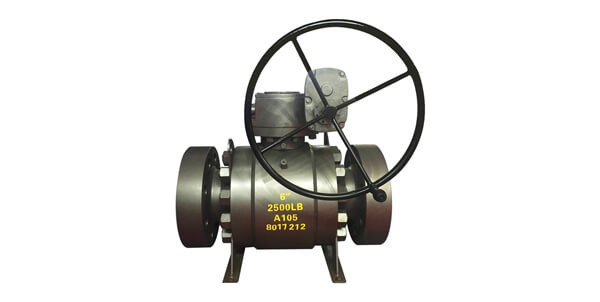
A High Pressure Ball Valve is a specialized quarter-turn valve designed to isolate and control the flow of aggressive media in systems typically operating above 10,000 PSI (690 bar). Unlike standard ball valves, they are characterized by their heavy-duty construction, advanced sealing mechanisms, and materials capable of withstanding significant mechanical and thermal stress without compromising performance or safety.
Key Design Features That Differentiate High Pressure Ball Valves
The ability to handle extreme pressure isn’t a matter of chance; it’s a result of intentional, precision engineering. Here are the critical design elements:
Reinforced Body and Robust Construction
These valves often feature a compact, forged body made from high-strength materials like stainless steel (SS304, SS316), duplex stainless steel, or chromium-molybdenum steel (A105). Forging provides a superior grain structure, enhancing the valve’s mechanical strength and impact resistance — an essential requirement for Ball Valve Class 1500 and Ball Valve Class 2500 designs.
High-Pressure Stem Design
The stem is reinforced to prevent blow-out under pressure. A robust stem, often with a blow-out-proof design, ensures that the internal pressure cannot force the stem out of the valve body, a critical safety feature.
Advanced Sealing Systems
This is the heart of a high-pressure ball valve.
- Low-Friction Seats: Seats made from reinforced PTFE (RPTFE), PEEK (Polyether Ether Ketone), or metal are used. These materials maintain their sealing integrity and have minimal friction during operation, even under extreme force.
- Spring-Loaded Seats: Many high-pressure designs incorporate spring-loaded seats. The springs apply a constant pre-load force on the seat, ensuring a tight seal against the ball at both low and high pressures, and compensating for wear over time.
Reduced Port vs. Full Port
While full-port valves offer low flow resistance, high-pressure applications often use reduced-port (or standard-port) designs. A thicker wall around a smaller port increases the valve’s pressure-containing capability, a necessary trade-off for ultimate safety.
Critical Applications of High Pressure Ball Valves
These valves are indispensable in industries where system failure is not an option:
- Oil & Gas: Wellhead control, Christmas tree assemblies, hydraulic fracturing (fracking) units, and high-pressure gas transmission lines.
- Power Generation: Main steam lines, feedwater systems, and other critical high-pressure/temperature circuits in thermal and nuclear plants.
- Chemical & Petrochemical: Handling aggressive catalysts, high-pressure reactors, and injection systems.
- Water Jet Cutting: Controlling the ultra-high-pressure water (up to 90,000 PSI) used in industrial cutting systems.
- High-Pressure Test Rigs: For validating the integrity of other components like pipes, fittings, and valves.
Key Considerations for Ball Valve Class 1500
A Ball Valve Class 1500 is designed to handle some of the most demanding operating conditions in industrial flow control. According to ASME B16.34, Class 1500 valves are rated for working pressures up to approximately 3,750 PSI (258 bar) at ambient temperature, making them suitable for high-pressure oil and gas, petrochemical, and power generation applications.
When selecting a Ball Valve Class 1500, consider the following:
- Body Material: Forged carbon steel (A105) or stainless steel (SS316) is commonly used for superior strength and corrosion resistance.
- End Connections: RTJ (Ring Type Joint), socket weld (SW), or butt weld (BW) connections are typical for Class 1500 service to ensure leak-free performance.
- Seat and Seal Materials: PEEK or metal seats are recommended for high-temperature and high-pressure Class 1500 applications.
- Fire-Safe Certification: API 607 or API 6FA certification is essential for oil and gas applications.
- Testing: Every Ball Valve Class 1500 should undergo rigorous shell and seat testing to confirm pressure integrity.
Key Considerations for Ball Valve Class 2500
A Ball Valve Class 2500 represents the highest standard pressure class in common industrial use, with working pressures reaching approximately 6,250 PSI (431 bar) at ambient temperature under ASME B16.34. These valves are engineered for extreme service conditions where failure is simply not an option.
When specifying a Ball Valve Class 2500, keep these factors in mind:
- Heavy-Duty Construction: Class 2500 valves require thicker walls, larger stems, and more robust bodies than lower-pressure classes.
- Material Selection: Duplex stainless steel, super duplex, and chromium-molybdenum steel are often preferred for their high strength and resistance to stress corrosion cracking.
- Advanced Sealing: Spring-loaded seats with PEEK or metal seals are critical to maintaining a tight seal under extreme pressure.
- End Connections: RTJ and butt weld ends are standard for Ball Valve Class 2500 to withstand the highest pressure ratings.
- Quality Assurance: Non-destructive testing (NDT), hydrostatic testing, and material certification are mandatory for Class 2500 valves.
How to Select the Right High Pressure Ball Valve
Selecting the correct valve is a multi-faceted process. Consider these factors:
1. Pressure Rating (PSI/Bar)
Ensure the valve’s maximum working pressure (WP) and pressure rating (e.g., ANSI Class 1500, 2500, 4500) exceed your system’s maximum operating pressure, including any potential surge pressures.
2. Temperature Range
Verify that the seat and seal materials are compatible with your system’s minimum and maximum temperatures.
3. Material Compatibility
The valve body, trim, and seals must be compatible with the media (fluid or gas) to prevent corrosion and degradation. Consider factors like chlorides, H2S content, and pH levels.
4. End Connections
Choose from robust connections like threaded (NPT), socket weld, or butt weld, ensuring they are suitable for the pipe schedule and material.
5. Fire-Safe Design
For oil and gas applications, certifications like API 607/API 6FA ensure the valve will contain media in the event of a fire.
6. Actuation
For automated systems, ensure the valve is designed to interface with pneumatic or electric actuators that can generate sufficient torque to operate under full system pressure.
Our valves are engineered with a focus on:
• Precision Forging and Machining for unmatched structural integrity.
• Rigorous Testing Protocols, including high-pressure shell and seat tests, ensuring every valve performs as specified.
• Expert Material Selection guidance to match your specific operational environment.
Why Partner with a Specialist Manufacturer?
At NSW Valve, we understand that a high pressure ball valve is more than just a component; it’s a commitment to safety and operational excellence. Our valves are engineered with a focus on:
- Precision Forging and Machining for unmatched structural integrity.
- Rigorous Testing Protocols, including high-pressure shell and seat tests, ensuring every valve performs as specified.
- Expert Material Selection guidance to match your specific operational environment.
Whether you need a Ball Valve Class 1500 for a high-pressure gas transmission line or a Ball Valve Class 2500 for a critical wellhead application, our engineering team can help you specify the right solution.
Ready to specify the right high-pressure solution for your project? Contact our engineering team today for a personalized consultation and technical data sheets.
Post time: Aug-14-2025