


At NSW Valve, quality control is an essential part of industrial valve manufacturing. From incoming material inspection to machining, assembly, pressure testing and final inspection, each stage helps verify that the valve meets the applicable technical specifications and purchase order requirements.
Our quality control process is designed to help customers assess product conformity, review inspection results and maintain traceability throughout the manufacturing process. Inspection activities are carried out according to the applicable standards, approved drawings, technical specifications and customer requirements.
Our Industrial Valve Quality Control Process
Valve quality cannot be evaluated through a single inspection alone. Material condition, dimensional accuracy, pressure integrity, sealing performance, operation and surface protection may all affect the suitability of a valve for its intended service.
NSW Valve organizes its inspection activities into several stages to identify potential issues before the products are released for shipment.
1. Incoming Material Inspection
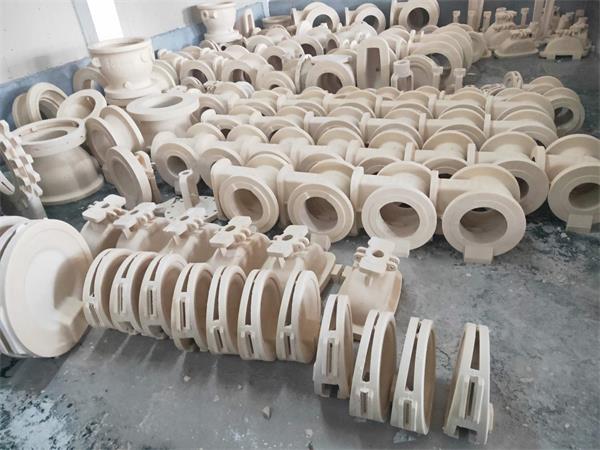
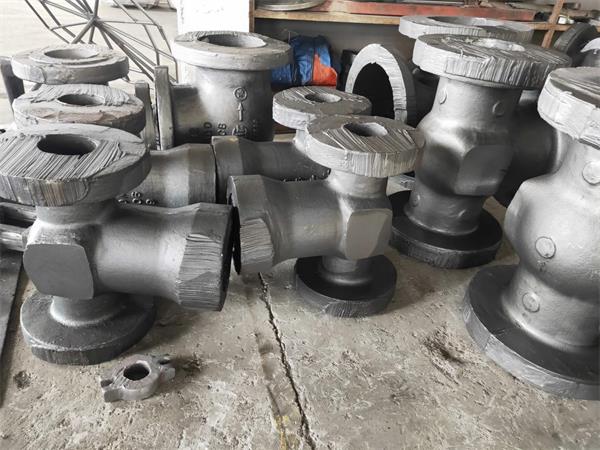
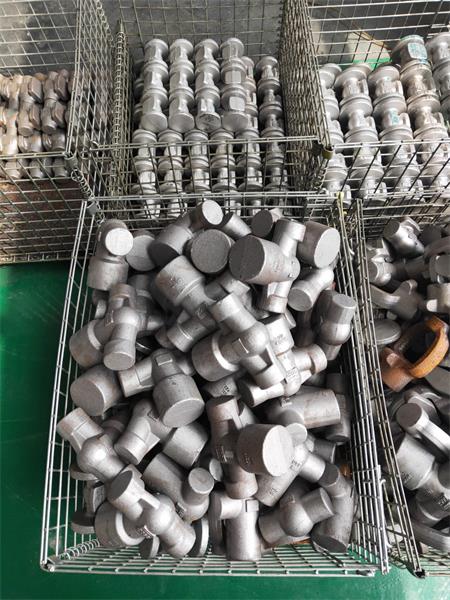
Material verification is an important first step in valve quality control. Incoming castings, forgings and other specified components are checked against the relevant purchase and technical requirements before they enter production.
Depending on the material, product specification and inspection plan, incoming inspection may include:
• Visual inspection: Checking castings and other components for visible surface defects. Where applicable, casting inspection follows the specified acceptance criteria, including MSS SP-55 when required by the order.
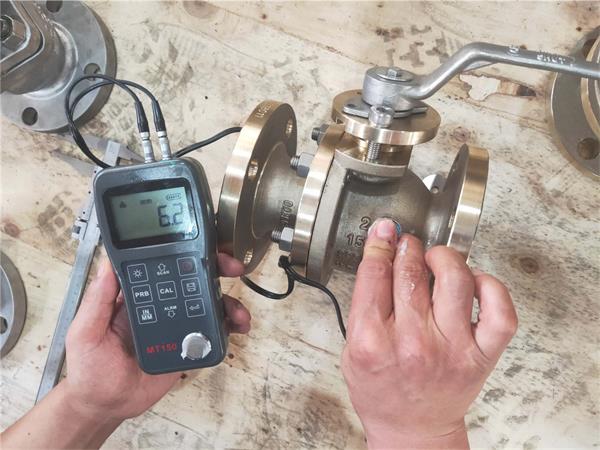
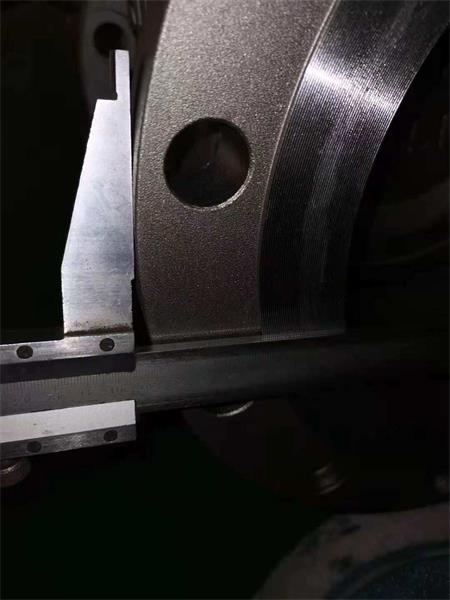
• Dimensional and wall-thickness checks: Measuring selected dimensions and wall thickness against approved drawings or applicable specifications.
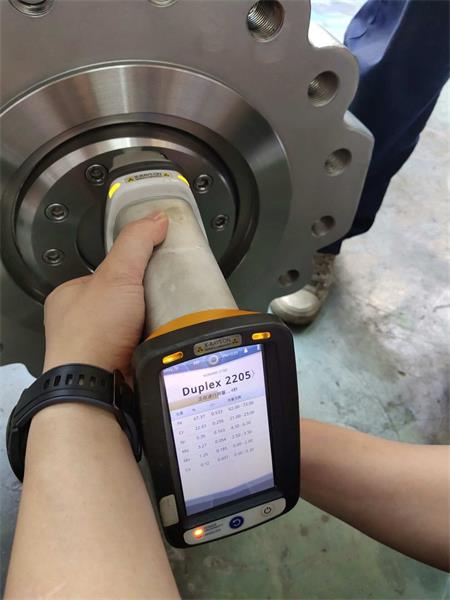
• Material verification: Reviewing material certificates and carrying out chemical composition or mechanical property verification where required.
• Heat treatment documentation: Checking relevant heat treatment records or verification results when required by the material specification.
• Non-destructive testing (NDT): Arranging methods such as liquid penetrant testing (PT), radiographic testing (RT), ultrasonic testing (UT) or magnetic particle testing (MT) when specified by the inspection plan or customer requirements.
The applicable inspection methods and acceptance criteria depend on the valve type, material grade, service conditions and purchase order. Additional inspection can be arranged when agreed before production.
2. Machining and Dimensional Inspection
Accurate machining helps ensure that valve components fit together correctly and meet the required design dimensions.
During production, inspection personnel check selected machined components against approved production drawings and technical specifications. Depending on the valve design, inspection may cover:
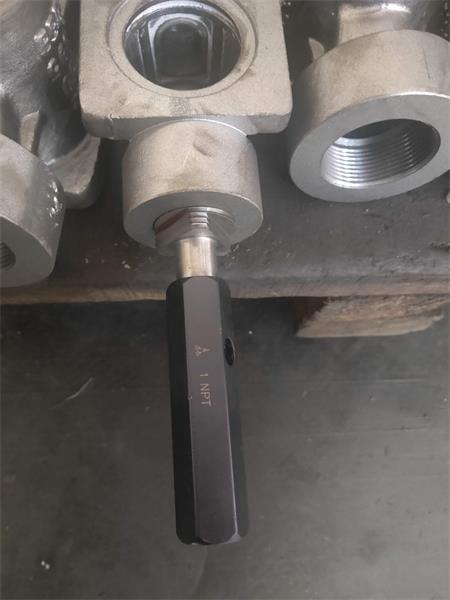
• Key body and component dimensions
• Flange dimensions and connection details
• Critical machining tolerances
• Stem, seat and closure-component dimensions, where applicable
• Dimensional conformity with approved drawings
Inspection results are recorded according to the applicable quality procedures. Any identified nonconformity should be evaluated and resolved before the affected component proceeds to the next manufacturing stage.
3. Assembly and Functional Inspection
After machining and component preparation, the valve is assembled according to its design and applicable production requirements.
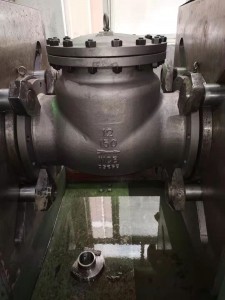
Assembly inspection may include checking component fit, installation condition, operating mechanism and the movement of the closure element. Depending on the valve type, the inspection may also cover opening and closing operation, travel limits, actuator operation or other specified functional requirements.
These checks help identify assembly-related issues before pressure and sealing tests are performed.
4. Valve Pressure and Sealing Tests
Pressure and sealing tests are important parts of industrial valve inspection. They help evaluate pressure-containing integrity and verify the specified sealing performance under defined test conditions.
Depending on the valve type and applicable requirements, testing may include:
• Shell test: Evaluating the pressure-containing parts of the valve under the specified test conditions.
• Seat leakage test: Checking the closure and seat sealing performance against the applicable acceptance criteria.
• Backseat test: Where applicable to the valve design, checking backseat sealing performance.
• Pneumatic test: Conducting an air or gas pressure test when permitted and specified by the applicable procedure.
API 598 may be used for inspection and testing when it is applicable to the valve and specified by the order. Other applicable standards may include ISO 5208 or EN 12266-1, depending on the product and project requirements.
Test pressure, duration, test medium, acceptance criteria and the required test records must follow the applicable standard, approved procedure and purchase order. Not every test applies to every valve.
5. Final Inspection Before Shipment
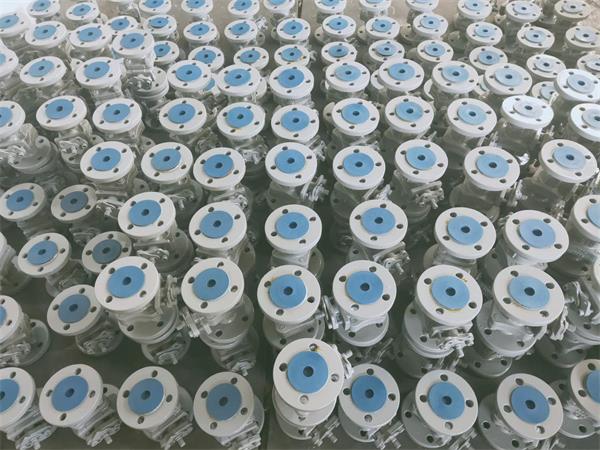
Before shipment, final inspection helps verify that the finished valve and its accompanying documentation meet the agreed order requirements.
Final inspection may include:
• Visual inspection: Checking the finished valve for visible damage or other specified surface conditions.
• Dimensional verification: Confirming selected dimensions against approved drawings or contractual requirements.
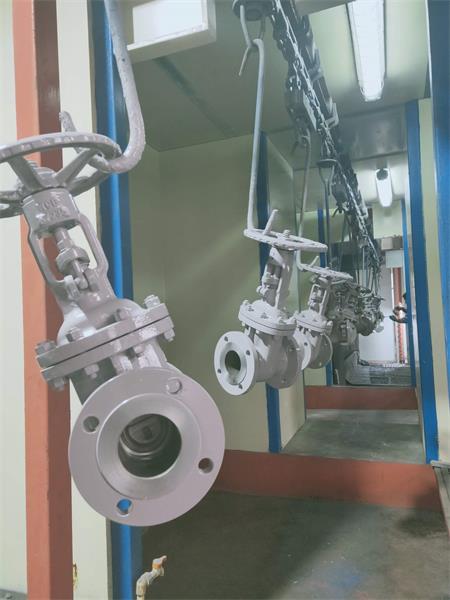
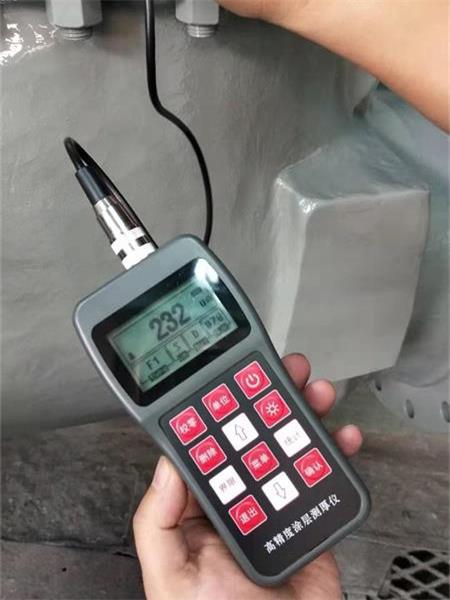
• Coating inspection: Checking the surface finish and coating condition against the specified requirements.
• Identification and marking: Verifying product identification, flow direction where applicable, material or rating markings and other required information.
• Accessories and documentation: Checking specified accessories and required inspection documents.
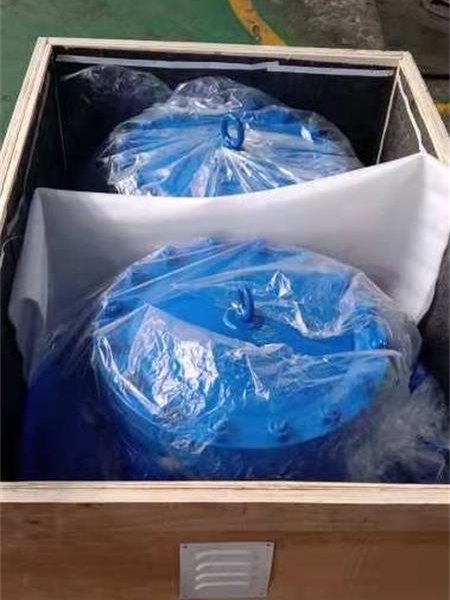
• Packaging inspection: Confirming that the valve is properly secured and protected against handling damage, moisture and other foreseeable transportation risks.
The final inspection scope depends on the product, order requirements and agreed inspection plan.

Valve Traceability and Inspection Records
Traceability helps customers connect a supplied valve with its relevant identification and quality documentation.
Where required by the order and applicable quality procedures, product identification and inspection records can support verification of material information, manufacturing status and test results. The exact traceability scope depends on the product and documentation requirements.
For project orders, customers should identify their documentation needs during the quotation or order review stage. This helps establish which material certificates, inspection reports, pressure test records, non-destructive testing reports or other documents are required.
Third-Party Inspection and Customer Witness Testing
For projects with additional inspection requirements, third-party inspection or customer witness activities can be coordinated when agreed in advance.
The inspection plan should define the applicable inspection stages, required standards, witness or hold points, document submissions and acceptance criteria. Scheduling these requirements before production helps reduce delays and supports a clearer inspection process.
Third-party inspection does not replace the need to define the technical requirements and acceptance criteria for the specific order.
Quality Control for Different Industrial Valve Types
NSW Valve supplies a range of industrial valve products, including ball valves, gate valves, check valves, globe valves, butterfly valves and plug valves. Inspection requirements vary according to valve design, pressure rating, material, end connections and intended service.
For example, ball valve inspection may focus on closure and seat sealing performance, while gate valve inspection may include checks relevant to the gate, stem and applicable sealing arrangements. The specific inspection and testing plan should always be determined by the product specification and purchase order.
Explore our ball valves, gate valves, check valves and butterfly valves to review our product range.
Quality Requirements for Your Valve Project
The inspection requirements for an industrial valve depend on its application, operating conditions, applicable standards and project documentation requirements.
When requesting a quotation, customers can provide the following information to help us review the appropriate quality and inspection scope:
• Valve type, size and pressure class
• Body and trim material requirements
• Applicable design and testing standards
• Operating medium and service conditions
• Required material certificates and inspection records
• NDT requirements, if applicable
• Third-party inspection or witness requirements
• Special marking, coating and packaging requirements
Providing these details early helps clarify the inspection scope before manufacturing begins.
Contact NSW Valve for Quality and Inspection Requirements
If you are sourcing industrial valves for an industrial project, our team can review your technical specifications and inspection requirements during the quotation process.
Contact NSW Valve to discuss valve selection, applicable testing standards, material documentation and project-specific inspection arrangements.
Please include your valve specifications and any required inspection or documentation standards so that the scope can be reviewed against your project requirements.