


Let’s face it: Gate Valves don’t last forever. Whether you manage a busy industrial pipeline, a commercial building, or just your home’s plumbing, those trusty gate valves eventually start acting up. Drips, stiff handles, or valves that won’t fully close—sound familiar?
The good news? You don’t always need to replace the whole valve. A solid Gate Valve Repair Kit can breathe new life into that old valve for a fraction of the cost. But how do you pick the right one without wasting time or money?
This guide walks you through everything—from what’s inside a gate valve to spotting trouble early, picking the perfect repair kit, and fixing it yourself like a pro.
What Exactly Is a Gate Valve?
Before diving into repair kits, let’s quickly cover the basics. A gate valve works by lifting or lowering a metal wedge (the “gate”) to start or stop flow. When fully open, there’s nothing blocking the pipe—so pressure drops are minimal. That’s why you see them everywhere: home water lines, irrigation, oil pipelines, even chemical plants.
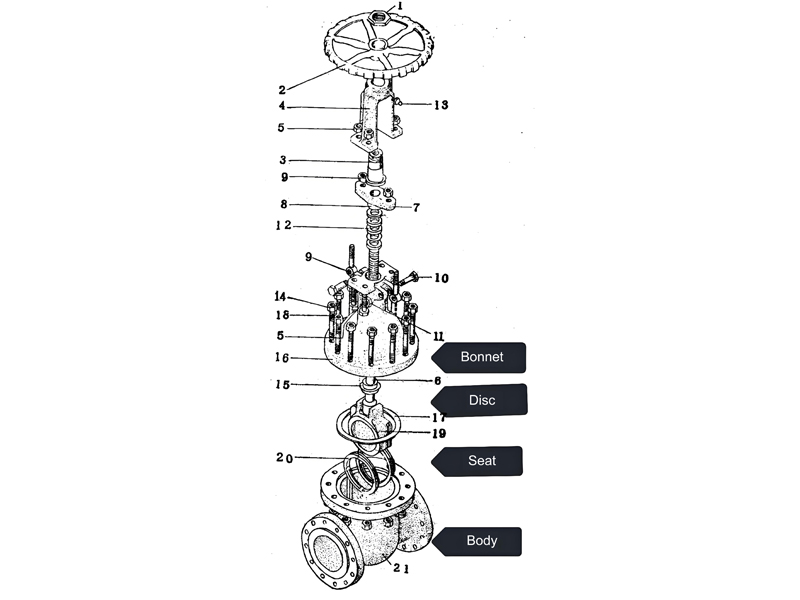
The Main Parts You Should Know
To choose the correct gate valve repair kit, you need to recognize these key components:
- Valve body – the outer shell that connects to your pipes.
- Gate – the wedge that moves up and down.
- Stem – the threaded rod connecting the handwheel to the gate.
- Bonnet – the top cover that seals the internals.
- Seats – where the gate presses to stop flow; worn seats are leak #1.
- Packing – soft material (often PTFE or rubber) that seals around the stem.
- Handwheel – what you turn to operate the valve.
Most repair kits focus on replacing seats, packing, gaskets, and O-rings. Some larger kits include stems or gates.
Why Bother Maintaining Your Gate Valves?
Skipping maintenance is a gamble. A small leak today can turn into a burst pipe tomorrow—or worse, a system shutdown in an industrial plant where every hour of downtime costs thousands.
Regular checkups help you:
- Catch small problems before they escalate.
- Avoid expensive emergency repairs.
- Extend valve life from years to decades.
- Stay safe (no sudden leaks of hot water, gas, or chemicals).
A gate valve repair kit is your first line of defense. Keep one on hand, and you’ll be ready when trouble shows up.
Common Warning Signs – Don’t Ignore Them
You don’t need to be a plumbing expert to spot a failing gate valve. Just look (and listen) for these red flags:
- Leaks around the stem or bonnet – usually means packing or gaskets are shot.
- Handwheel is hard to turn – corrosion, debris, or a dry stem.
- Valve won’t fully open or close – the gate might be damaged or misaligned.
- Visible rust or corrosion – weakens the body and stem over time.
Spot any of these? That’s when you grab your repair kit and get to work.
Why Repair Instead of Replace? (Spoiler: It Saves Money)
Replacing an entire gate valve sounds simple, but it’s often overkill. Here’s why fixing with a gate valve repair kit makes more sense:
- Lower cost – A kit is usually 10–20% of a new valve’s price.
- Less downtime – Repair takes minutes or an hour, not half a day.
- Less waste – You’re keeping metal parts out of landfills.
- Exact fit – Quality kits match your valve’s make and model.
- Longer valve life – New seals and packing restore like-new performance.
The 3 Types of Gate Valve Repair Kits (Know Which One You Need)
Not all repair kits are created equal. Here’s how to tell them apart.
1. Small Repair Kits – For Quick Home Fixes
These are perfect for residential plumbing, garden hoses, or small irrigation lines. They usually include O-rings, packing rings, and small gaskets. Cheap, simple, and beginner-friendly. If your basement shut-off valve drips once in a while, this is your kit.
2. Large Repair Kits – For Commercial & Light Industrial
Got valves 2 inches or larger? You’ll want a large kit. These include more substantial parts: replacement gates, stems, bonnet gaskets, and sometimes basic tools. Ideal for apartment buildings, small factories, or commercial HVAC systems.
3. Industrial-Specific Kits – For Tough Environments
Think oil refineries, chemical plants, or high-pressure steam lines. These kits use heavy-duty materials like stainless steel, brass, or reinforced PTFE. They meet strict standards (ISO, API) and can handle extreme temperatures and corrosive media. If your valve sees acid, saltwater, or 500°F steam, don’t cheap out—get an industrial kit.
How to Choose the Right Gate Valve Repair Kit – Step by Step
Picking the correct kit isn’t hard if you follow this simple process.
Step 1 – Check Your Tools
Most repairs need basic wrenches, screwdrivers, and pliers. But some large or industrial valves require specialty tools (torque wrenches, stem pullers). Look at the kit’s description—some include tools. If not, make sure you have what’s needed before you start.
Step 2 – Identify Which Seals Are Worn
Where’s the leak?
- Stem leak → bad packing or stem seals.
- Body or bonnet leak → damaged gaskets or seats.
Choose a kit that specifically includes those parts. Don’t buy a kit full of O-rings if your problem is a cracked seat.
Step 3 – Match Your Valve’s Size & Type
Check the valve body for stamped info: size (e.g., 3/4”, 2”), model number, and type (wedge gate, parallel, threaded, or welded). Then match that to the kit’s specs. A kit for a threaded 1/2” gate valve will never work on a flanged 2″gate valve. When in doubt, snap a photo and ask the supplier or a plumber.
How to Install a New Gate Valve (If You’re Replacing One)
Sometimes repair isn’t enough—maybe the body is cracked. Here’s the safe way to install a new valve:
1. Shut off the system and drain pressure.
2. Clean both pipe ends – no dirt, rust, or old gasket bits.
3. Align the valve – watch for the flow arrow on the body.
4. Secure it – tighten bolts or threads evenly, but don’t over-crush gaskets.
5. Test – turn water or air back on slowly, check for leaks, cycle the valve a few times.
Step-by-Step: Repairing a Gate Valve With a Kit
Ready to fix that leaking valve? Follow these steps exactly.
1. Safety first – shut off flow, depressurize, wear gloves and glasses.
2. Disassemble – remove handwheel, bonnet bolts, then lift out stem and gate.
3. Inspect everything – look for scratches, corrosion, or warping. Clean all parts.
4. Replace worn parts – pull out old packing, seats, and gaskets. Install new ones from your **gate valve repair kit**. Follow the kit’s diagram for alignment.
5. Reassemble – put gate and stem back, reattach bonnet, tighten bolts in a star pattern.
6. Test your work – turn the system back on. Open and close the valve fully. No drips? You’re done.
Troubleshooting: What If It Still Leaks?
Even careful repairs can hit snags. Here’s what to check:
- Still leaking after repair – Did you overtighten or undertighten bonnet bolts? Are gaskets seated correctly? Try replacing them again from the kit.
- Handwheel still stiff – Add a drop of light oil to the stem threads. Make sure the gate isn’t binding sideways.
- Won’t fully close – Debris might be blocking the gate. Disassemble and clean. If the gate edge is worn, replace it (some large kits include a new gate).
- Rust comes back fast – Your environment is too harsh. Upgrade to an industrial kit with corrosion-resistant materials.
Final Thoughts – Keep a Gate Valve Repair Kit Handy
You don’t need to be a master plumber or a valve engineer. Once you understand the basics—what’s inside your valve, how to spot trouble, and which gate valve repair kit matches your needs—you can handle most gate valve problems in under an hour.
Whether you’re a homeowner fixing a stubborn outdoor spigot or a maintenance tech keeping a factory running, a quality repair kit pays for itself the first time you use it.
So take a few minutes this week. Walk around and check your gate valves. Listen for drips. Feel if the handwheel turns smoothly. And when you find one that’s acting up, you’ll know exactly what to do—and which kit to grab.
—
*Need a specific recommendation? Leave a comment with your valve size and application, and we’ll point you to the right gate valve repair kit.*
Post time: Apr-02-2026