


Choosing the Right Ball Valve: PVC vs. Steel, Stainless Steel, and Carbon Steel – What I’ve Learned from the Field
Over the past 15 years, I’ve replaced more ball valves than I care to admit. And honestly? Most failures come down to one mistake: picking the wrong material. A PVC ball valve might work beautifully for a chemical dosing skid – but put it on a steam line, and you’ll have a melted mess in ten minutes. On the flip side, a carbon steel ball valve is tough and cheap, but leave it outside in the rain for a season, and it’ll look like a rusted anchor.
So let me walk you through what I actually consider when choosing between PVC, general steel, stainless steel, and carbon steel ball valves. No fluff. Just what works, what doesn’t, and where I’ve seen people get burned.
The PVC Ball Valve: Great for chemicals, useless for heat
I once helped a small plating shop automate their acid transfer line. They wanted cheap, so we used a PVC ball valve with true-union ends. That was five years ago – it’s still running. Why? Because PVC doesn’t care about hydrochloric acid or sodium hypochlorite. It’s almost immune to a huge range of aggressive chemicals.
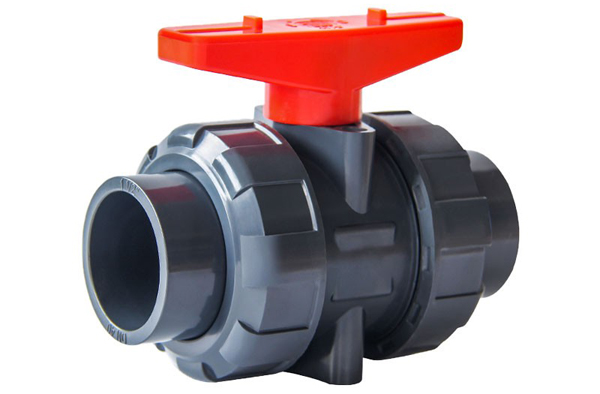
What I love:
-
Unbeatable corrosion resistance for the price.
-
Light enough to hold with one hand.
-
No galvanic issues when connected to PVC or CPVC pipe.
What I hate:
-
Temperature. Anything above 140°F (60°C) and the valve softens. Below freezing? It gets brittle. I’ve seen a PVC valve shatter like glass after an unexpected cold snap.
-
Low pressure – keep it under 230 psi or so.
-
Sunlight kills standard PVC. If you use it outdoors, pay extra for UV-stabilized.
Where I spec it:
Water treatment, chemical dosing, aquaculture, pool plumbing. Never steam, never hot oil, never compressed air above 150 psi.
Stainless Steel Ball Valve – The Workhorse (304 vs. 316)
If I could only stock one valve type in my truck, it would be a stainless steel ball valve. Preferably 316 stainless. Why? Because it handles almost everything except hot hydrochloric acid and a few really nasty oxidizers.
I remember a food plant that kept replacing carbon steel valves on a hot CIP (clean-in-place) loop. The valves would rust inside and contaminate the product. We switched to 316 stainless ball valves – problem gone. The smooth surface doesn’t trap bacteria, and caustic washdowns don’t hurt it.
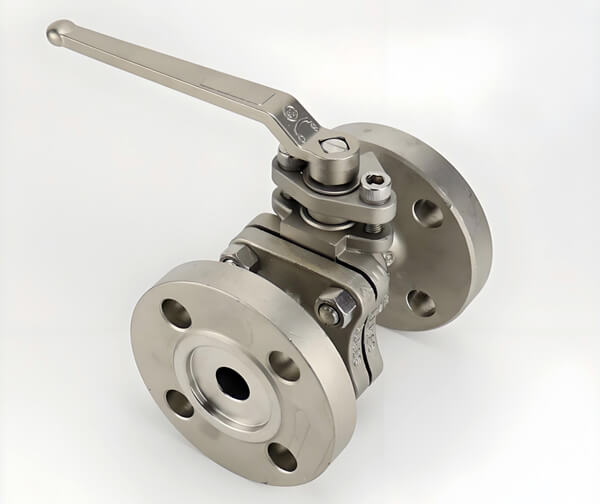
Advantages you can rely on:
-
Temperature range from -20°F to 450°F (with standard PTFE seats). Special high-temp versions go even higher.
-
Pressure rating up to 1,000–6,000+ psi depending on design.
-
316 SS has molybdenum – that’s your friend for seawater or chloride-laden environments.
Downsides (real talk):
-
Expensive. A 2” 316 ball valve might cost 5–10x a PVC valve.
-
Heavy. Your pipe supports need to be beefy.
-
304 stainless can crack in hot chloride service – I learned that the hard way on a coastal project. Use 316 for anything near saltwater.
My rule:
If the fluid is corrosive, hot, or needs to be clean (food/pharma), I go stainless. If budget is tight and the fluid is not too aggressive, I might consider carbon steel.
Carbon Steel Ball Valve – Strong, cheap, but it rusts
Let’s be clear: a carbon steel ball valve is not stainless. I’ve seen new engineers assume “steel is steel” and put a carbon steel valve on a wet air line. Six months later, it’s seized or leaking through the body.
That said, carbon steel has its place – a big one. In oil refineries, natural gas pipelines, and steam condensate systems, carbon steel is the default for a reason. It handles high pressure (up to 1,500+ psi) and temperatures up to 800°F with proper trim.
The good:
-
Much stronger than PVC.
-
Costs less than stainless.
-
Weldable, machinable, easy to get in large sizes (up to 48”).
The bad (and it’s bad):
-
Rusts. Exposed to moisture, humidity, or any acid? You’ll see brown streaks in weeks.
-
Not for seawater, chlorine, or acids.
-
Standard carbon steel gets brittle below -20°F – I’ve pulled broken valves from a freezer application. Use low-temp grades (LF2) if it’s cold.
Where I use it:
Dry gas, fuel oil, steam (saturated or superheated), compressed air that’s been dried, and firewater lines that are kept dry or coated inside.
General Steel Ball Valve – what does that even mean?
The term steel ball valve is vague. Sometimes it means carbon steel. Sometimes it’s a low-alloy steel like A105 forged steel. And sometimes – be careful – it’s a cheap cast steel valve with questionable quality.
I generally treat “steel ball valve” as a budget version of carbon steel. It’s fine for non-corrosive, low-to-medium pressure applications. Think 300–1,500 psi, temps under 400°F, clean water or oil. But if you have any corrosion risk, step up to stainless or at least ask for an epoxy-lined version.
One example: a warehouse heating system using hot water. They used general steel ball valves without lining. After two years, pinhole leaks appeared. Replaced with brass (or stainless) and solved it. Moral: know what “steel” really means.
How I Actually Choose – A Simple Decision Flow
Forget long tables for a second. Here’s what runs through my head when someone asks for a ball valve recommendation:
-
What’s the fluid?
-
Acid, caustic, saltwater, chlorine → PVC (if temp <140°F) or 316 stainless (if hot/high pressure).
-
Oil, gas, dry steam → Carbon steel or general steel.
-
Food, beer, pharmaceuticals → Stainless steel, no question.
-
-
How hot is it?
-
Above 140°F? No PVC.
-
Above 450°F? Standard stainless seats (PTFE) fail. You need carbon steel with special seats (PEEK, metal).
-
Below 32°F? PVC gets brittle – use steel or stainless.
-
-
How much pressure?
-
Over 230 psi → forget PVC.
-
Over 1,500 psi → carbon steel or forged stainless.
-
-
Outdoor or wet environment?
-
Rain, humidity, coastal → use stainless (316 if near salt). Carbon steel will rust fast unless painted perfectly and touched up regularly.
-
-
Budget reality check
-
PVC is cheapest but limited.
-
Carbon steel is next – good value for dry services.
-
Stainless is expensive but lasts decades. I’ve replaced 30-year-old stainless valves that still worked fine.
-
A Quick Comparison Table (The Engineer’s Cheat Sheet)
| Material | Best For | Avoid If | Temp Range (approx) | Pressure (max typical) |
|---|---|---|---|---|
| PVC Ball Valve | Chemicals, water, low pressure | Hot fluids (>140°F), freezing, sunlight | 32–140°F | 230 psi |
| Carbon Steel Ball Valve | Oil, gas, steam (dry), high pressure | Wet/corrosive fluids, seawater, acids | -20–800°F | 1,500+ psi |
| Stainless Steel Ball Valve | Corrosives, high temp, hygiene, seawater | Very high temp >450°F (std seats), hot HCl | -20–450°F | 1,000–6,000 psi |
| General Steel Ball Valve | Non-corrosive utilities, low-to-medium pressure | Corrosive or humid environments | -20–400°F | 300–1,500 psi |
A Few Lessons from the School of Hard Knocks
-
Don’t mix metals without thinking. If you connect a stainless steel ball valve to a carbon steel pipe in a wet system, you’ll get galvanic corrosion at the threads. Use dielectric unions.
-
PVC threads are fragile. I’ve seen over-tightened PVC ball valves crack right at the connection. Use PTFE tape and stop when it’s snug – not “gorilla tight.”
-
Always check seat material. A stainless steel ball valve with Buna-N seats won’t handle high temperatures, even if the body does. PTFE (Teflon) is the safest default.
-
Keep a spare. I’ve waited six weeks for a special alloy ball valve. If it’s a critical process, stock a spare – especially for stainless or carbon steel in odd sizes.
Final Take
There’s no universal ball valve. The PVC ball valve wins on price and chemical resistance – but only if you stay cool and low-pressure. The stainless steel ball valve is my go-to for anything aggressive, hot, or clean. The carbon steel ball valve is still the king of refineries and high-pressure gas. And the generic steel ball valve? Fine for basic jobs, but read the fine print.
When in doubt, write down your max temperature, min temperature, fluid composition, and pressure. Then call a distributor and ask “what would you put on your own pump?” Most will give you an honest answer – and that answer usually includes a stainless steel ball valve if the budget allows.
Got a tricky application? Drop the details below – I’ll tell you what I’d use and, more importantly, what I’ve seen fail.
Post time: May-23-2026