


When working with industrial piping systems, few components are as critical as the ball valve. Whether you are an engineer, a procurement specialist, or a plumbing student, visual reference is key to understanding the subtle differences between valve types. In this guide, we provide a comprehensive collection of ball valve images and explain the function of each type. Consider this your visual encyclopedia for everything from a basic floating ball valve to a high-temperature special alloy valve.
What is a Ball Valve?
Before diving into the visual catalog, let us define the component. A ball valve is a quarter-turn rotational valve that uses a spherical disc (the ball) to control flow. It is a crucial shut-off tool in industrial pipelines because it offers durable, reliable sealing and quick operation (90-degree turn from fully open to fully closed). These valves are famous for their long service life and ability to provide a tight seal even after years of disuse.
Different Types of Ball Valve Pictures & Applications
Because ball valves come in numerous configurations, we have curated a library of **ball valve pictures** sorted by structure, connection, material, and application. Below, each image description is paired with a functional analysis to help you master ball valve technology.
1. Ball Valve Images by Structure
The internal mechanical design dictates how the ball is supported. Here are the common structural types visualized.
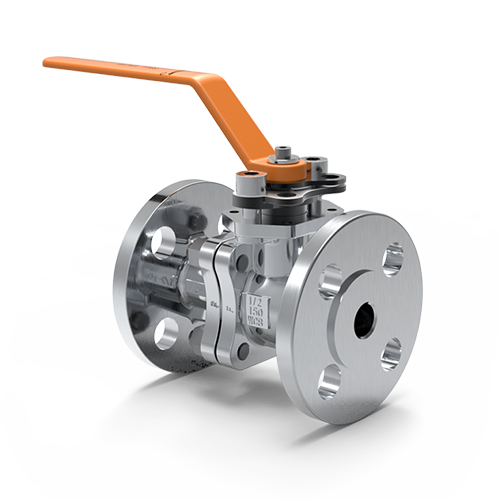 |
Floating Ball Valve Pictures:In these designs, the ball is not fixed but “floats” between two seats. Under pressure, the ball shifts slightly to press against the downstream seat, creating a tight seal. Our Ball Valve Images of this type typically show a simple, compact design ideal for low to medium pressure applications. |
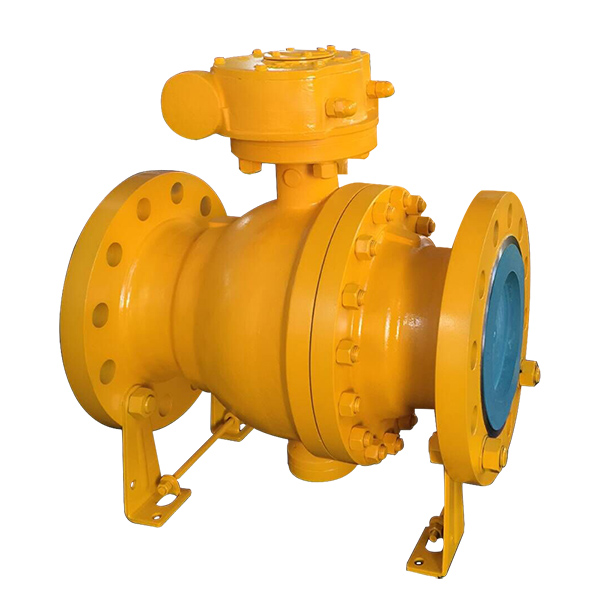 |
Trunnion Mounted (Fixed) Ball Valve Images:Unlike the floating version, these valves have a fixed ball supported by trunnion bearings. This reduces torque and is necessary for high-pressure, large-diameter pipelines. Look for the extra stem support in these **ball valve pictures**. |
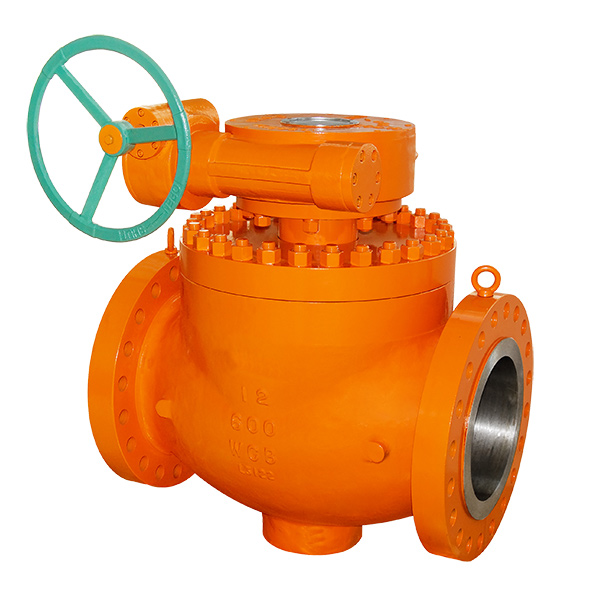 |
Top Entry Ball Valve Pictures:These valves allow maintenance from the top without removing the valve from the pipeline. The **ball valve images** show a bonnet on top that can be removed to access the ball and seats. |
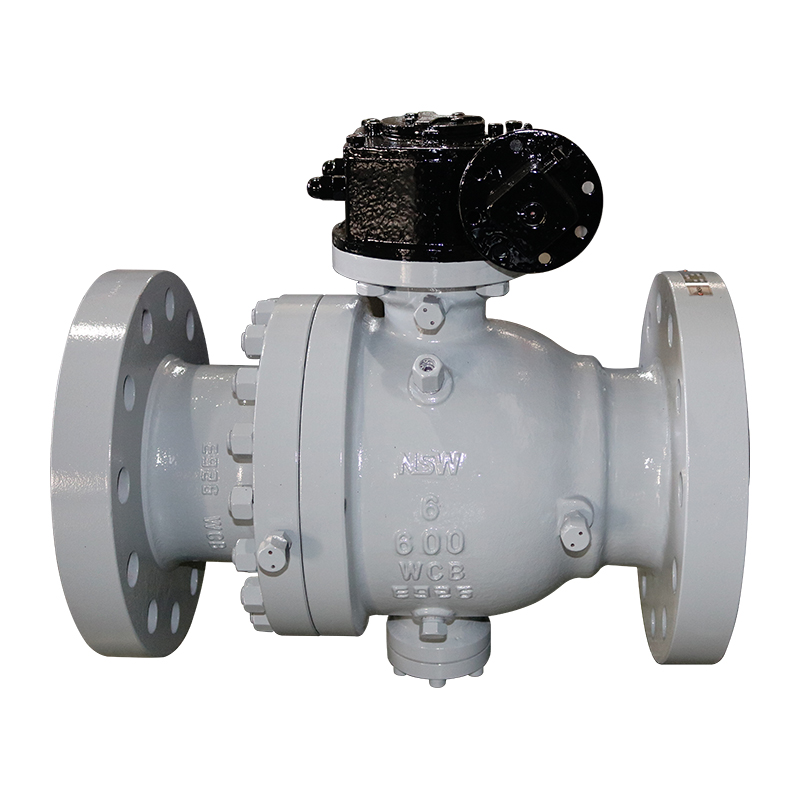 |
Side Entry (Split Body) Ball Valve Images:This is the most common design, consisting of two or three body parts bolted together. These ball valve pictures clearly show the seam lines along the body.
Note: The name “Side Entry Ball Valve” is derived from “Top Entry Ball Valve” It is generally classified under two-piece ball valves, three-piece ball valves, floating ball valves, or fixed ball valves. |
2. Ball Valve Images by Connection Type
How a valve connects to the pipe is vital for installation planning. Browse these **ball valve pictures** to identify the right fitting.
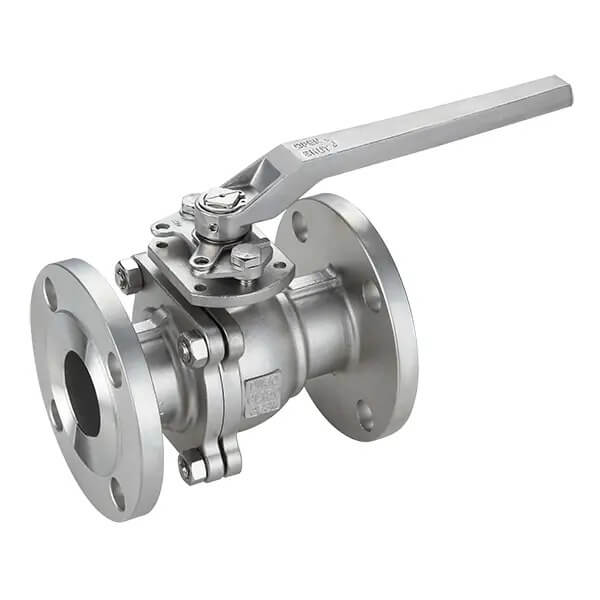 |
Flanged Ball Valve Pictures:Characterized by protruding rims (flanges) at both ends. These ball valve images often show heavy-duty bolts used to connect to matching pipe flanges. Best for large-diameter systems and frequent disassembly. |
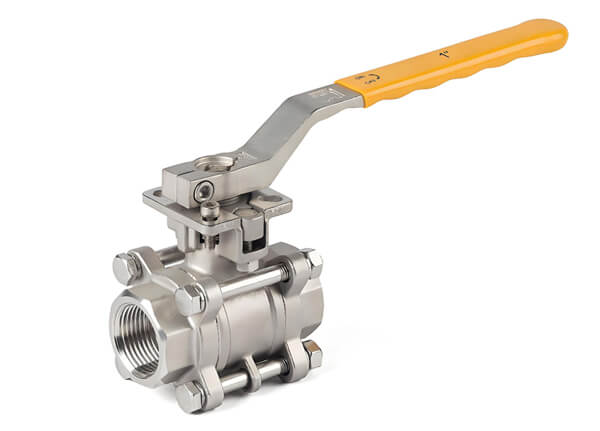 |
Threaded (Screwed) Ball Valve Images:These feature internal or external threads. In our ball valve picture library, you will notice compact sizes, usually under 2 inches, common in residential plumbing and instrumentation. |
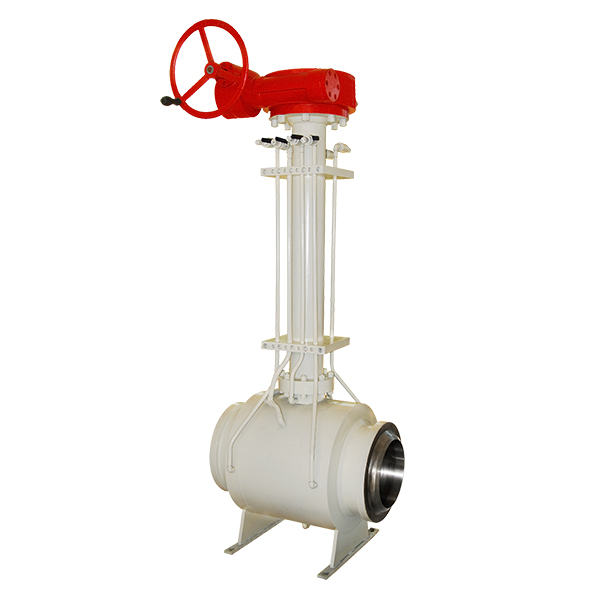 |
Welded Ball Valve Pictures:These have no joints; the valve body is welded directly into the pipeline. The ball valve images display a smooth, seamless exterior. This is ideal for high-pressure gas lines or corrosive fluids where leakage is unacceptable. |
| Clamp (Grooved) Ball Valve Images:These use a clamp to hold the valve to grooved pipe ends. These ball valve pictures show quick-release mechanisms, perfect for sanitary applications like food processing or pharmaceutical lines. |
3. Ball Valve Images by Material
Material selection dictates corrosion resistance, strength, and cost. Compare these **ball valve pictures** to understand visual differences.
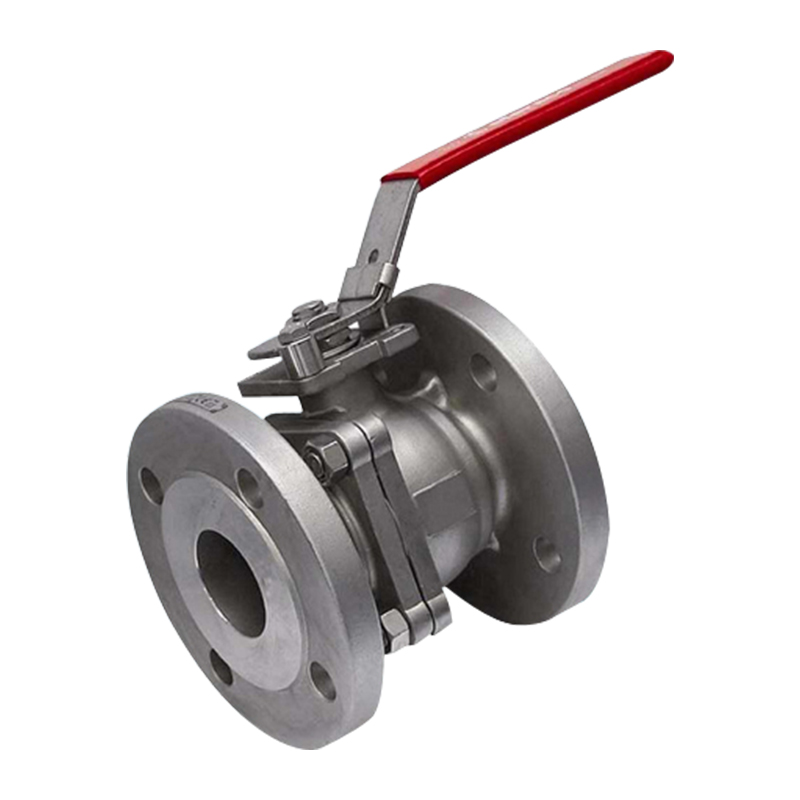 |
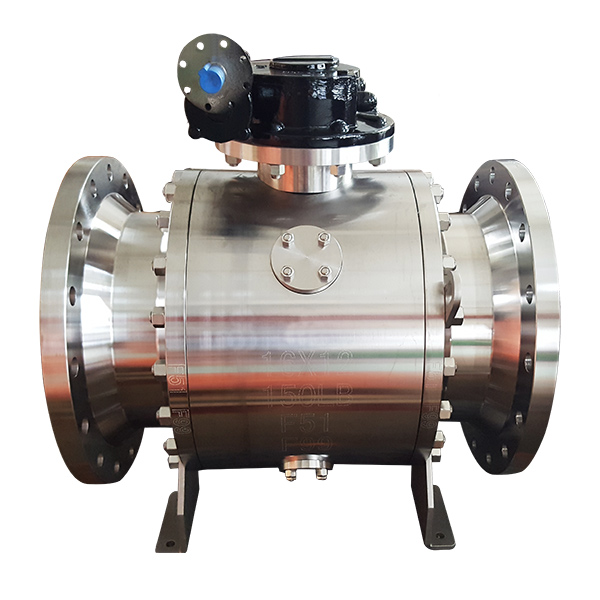
Stainless Steel (SS304/SS316) Ball Valve Images:These have a shiny, silver-grey finish. Stainless steel ball valve pictures represent the gold standard for corrosion resistance in chemical plants. |
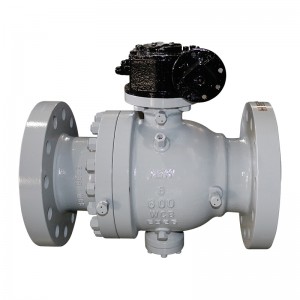 |
Carbon Steel Ball Valve Images:Usually painted black or dark grey (to prevent rust). These ball valve images show a rugged, industrial look for oil and gas pipelines. |
| Brass Ball Valve Pictures:These are golden-yellow. You will see these ball valve pictures frequently in home water heaters and garden hoses due to their low cost and decent durability. | |
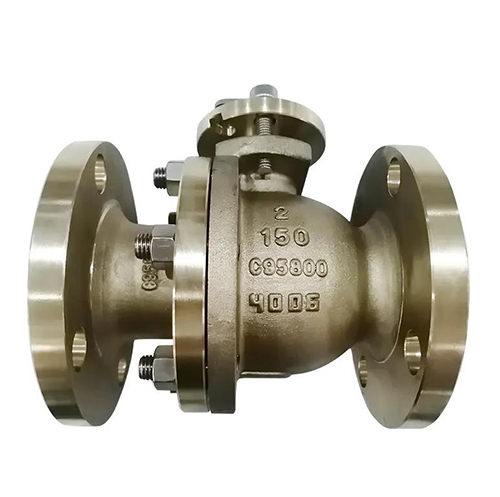 |
Aluminum Bronze Ball Valve Images:A distinct reddish-gold color. These ball valve pictures are rare but critical for seawater applications due to their resistance to saltwater corrosion. |
| Ductile Iron Ball Valve Pictures:Often coated with epoxy (blue or red). In these ball valve images, the body looks bulky and heavy, typically used for water treatment plants. | |
| Plastic (PVC/CPVC) Ball Valve Images:They come in white, grey, or translucent colors. These ball valve pictures feature large handles and are common in pool plumbing or chemical drainage. | |
 |
Duplex Steel Ball Valve Images:A mix of stainless and alloy steel. These ball valve images show a slightly darker sheen than 316SS, used in offshore platforms. |
| Special Alloy (Hastelloy/Inconel) Ball Valve Pictures:Often uncoated and matte grey. These ball valve pictures represent the highest cost and highest performance, handling extreme acidic environments. |
4. Ball Valve Images by Temperature and Pressure
Extreme environments require specialized visual design cues.
| High-Temperature Ball Valve Images:These valves look similar to standard valves but feature an extended stem or bonnet. The ball valve picture will show a long neck between the body and the handle/actuator. This protects operators and actuators from radiant heat. | |
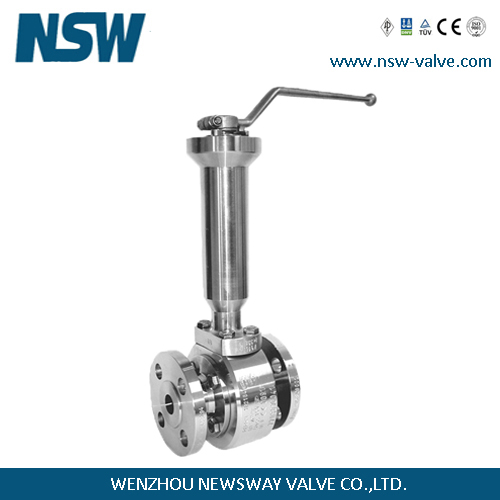 |
Cryogenic (Ultra-Low Temperature) Ball Valve Pictures:Visually similar to high-temperature valves, they also have elongated stems. In these ball valve images, you may notice drip plates (a small flange on the stem) to prevent ice from damaging the packing.
*Note: For both high-temperature and cryogenic ball valves, the stem extension length must follow design standards (such as BS 6364 or API 608) or be calculated by a professional ball valve manufacturer.* |
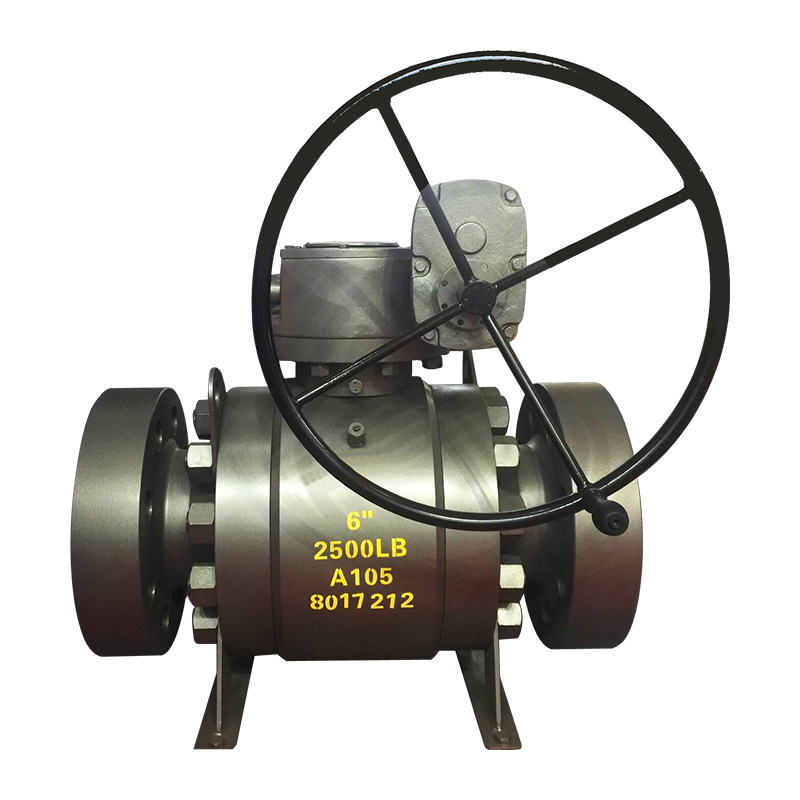 |
High-Pressure Ball Valve Images:These are rarely floating designs in pictures. The ball valve images for high pressure (ANSI 1500-2500) show thicker walls, smaller bores, and often trunnion-mounted balls. |
| Vacuum Ball Valve Pictures:Designed to prevent atmospheric leakage into the system. These ball valve pictures often show a bellows seal or reinforced packing. |
Conclusion: Why Visual Reference Matters
Understanding the nuances of a ball valve is impossible without the right ball valve images. From distinguishing a floating vs. fixed core in structural breakdowns to spotting the extended stem on a cryogenic valve, a high-quality ball valve picture saves time and prevents specification errors.
If you are designing a pipeline system, always keep a categorized library of ball valve pictures on hand. For custom requirements—especially regarding stem extensions for thermal applications—always consult a professional manufacturer rather than relying solely on generic diagrams.
Need specific technical drawings or high-resolution images? Contact our engineering support team for detailed visual references tailored to your project.
Post time: Apr-23-2026