


What Are OS&Y Valves? (Definition and Core Concept)
OS&Y Valves — short for Outside Screw and Yoke or Outside Stem and Yoke — is an isolation valve design where the threaded stem is positioned outside the valve body, completely isolated from the internal fluid stream.
This external thread placement provides two critical operational benefits:
- Instant visual position indication — When the stem is fully raised above the handwheel, the valve is open. When the stem is retracted flush with the handwheel, the valve is closed.
- Thread protection from corrosion — The stem threads never contact corrosive fluids, abrasive slurries, or line debris, preventing galling, seizure, and premature wear.
Key takeaway: OS&Y valves are mandated by fire safety codes (NFPA 13) specifically because they allow inspectors to verify valve position at a glance without operating the valve.
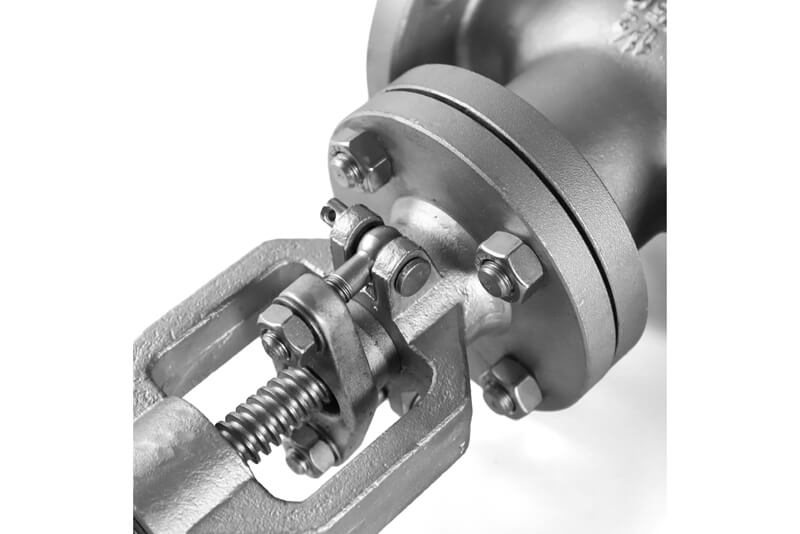
How Does an OS&Y Valve Work? (Mechanism Explained)
The operating mechanism of an OS&Y valve relies on three main components working together:
| Component | Function |
|---|---|
| Handwheel | Remains fixed in height; attached to a threaded yoke nut |
| Yoke (external frame) | Supports the threaded drive nut above the valve bonnet |
| Stem (non-rotating) | Moves linearly up or down as the yoke nut turns |
Operational sequence:
- The operator turns the handwheel, which rotates the yoke nut.
- The yoke nut drives the non-rotating threaded stem in a straight vertical line.
- As the stem rises, it extends above the handwheel — visually confirming that the valve disc has lifted off the seat, allowing full flow.
Because the stem threads are outside the pressure boundary, they remain accessible for inspection, cleaning, and lubrication without disturbing the process fluid.
                   OS&Y VALVE VISUAL POSITION INDICATOR

      [ FULLY OPEN POSITION ]                      [ FULLY CLOSED POSITION ]

          Exposed Stem (Risen)                         Stem Retracted Flush
               │                                               │
           ┌───┴───┐                                       ┌───┴───┐
         ──┤Handwheel├──                             Wait ─┤Handwheel├──
           └───┬───┐                                       └───┬───┐
               │                                               │
             Yoke                                            Yoke
               │                                               │
          ┌────┴────┐                                     ┌────┴────┐
          │Valve Body│                                    │Valve Body│
          └─────────┘                                     └─────────┘
      (Fluid Flow Permitted)                           (Fluid Flow Blocked)
Main Types of OS&Y Valves (Gate vs. Globe)
While “OS&Y” describes the stem and yoke construction, this design is applied to two major valve architectures:
1. OS&Y Gate Valves (Isolation Service)
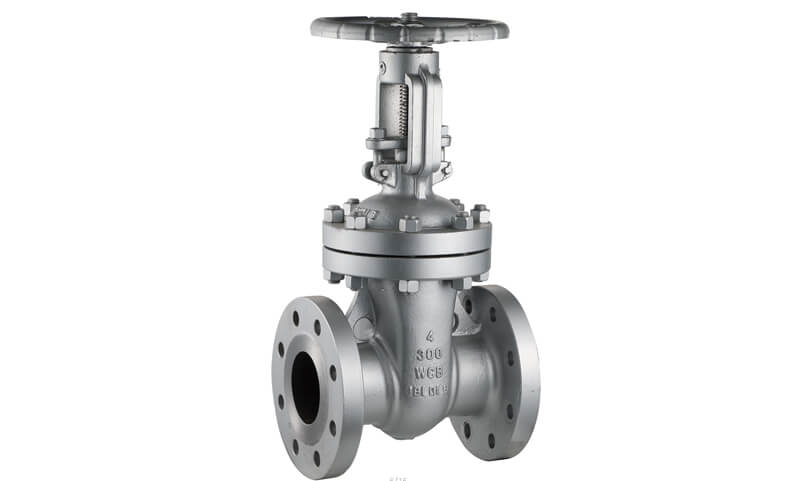
An OS&Y gate valve uses a wedge or parallel disc that moves perpendicular to the fluid flow. It is engineered strictly for fully open or fully closed service — never for throttling.
Key advantages:
- Full-port, straight-through flow path — zero direction change
- Minimal pressure drop (ΔP) and maximum flow coefficient (Cv)
- UL/FM listed versions available for fire protection
Common applications:
- Fire sprinkler main lines (NFPA 13 required)
- Municipal water distribution pipelines
- Oil and gas transmission isolation
2. OS&Y Globe Valves (Throttling and Regulation)
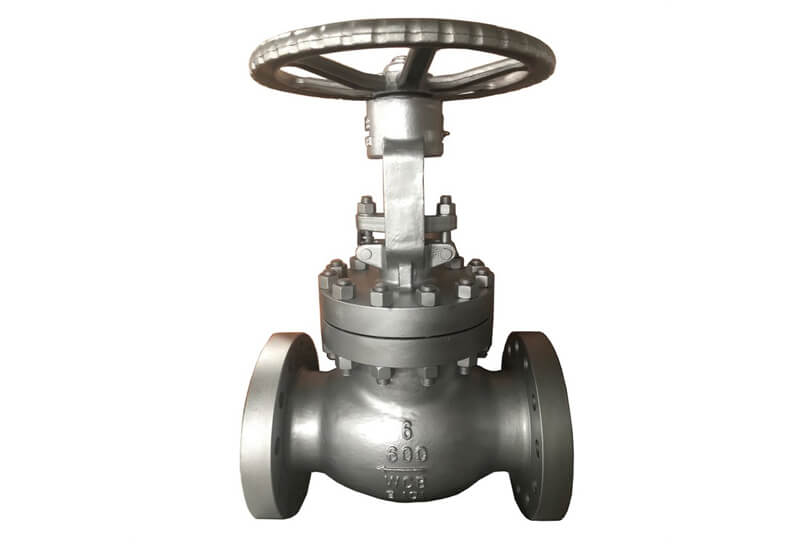
An OS&Y globe valve uses a plug or disc that moves parallel to the flow path, seating against a stationary ring. This design creates a tortuous flow path (Z-pattern or S-pattern), enabling precise flow control.
Key advantages:
- Excellent throttling and modulation capability
- Stem height correlates directly with flow rate — allows position feedback
- Superior sealing performance for high-pressure steam
Common applications:
- High-pressure boiler feedwater lines
- Steam distribution systems (ASME B31.1)
- Chemical dosing lines requiring frequent adjustment
                 OS&Y GATE vs. OS&Y GLOBE VALVES

       [ OS&Y Gate Valve ]                        [ OS&Y Globe Valve ]

         Linear Up/Down                             Linear Up/Down
               │                                          │
       ┌───────┴───────┐                          ┌───────┴───────┐
       │ Straight Flow │                          │ Z-Pattern Flow│
       │  (Isolation)  │                          │ (Throttling)  │
       └───────────────┘                          └───────────────┘
     • Zero direction change                    • 90° direction changes
     • Lowest friction loss                     • Precise flow control
OS&Y Gate Valve vs. OS&Y Globe Valve: Side-by-Side Comparison
| Feature | OS&Y Gate Valve | OS&Y Globe Valve |
|---|---|---|
| Primary function | On/Off isolation only | Throttling and flow regulation |
| Flow path | Straight-through (full bore) | Z-pattern / S-pattern (tortuous) |
| Pressure drop (ΔP) | Very low | High |
| Stem travel for closing | Long (slow operation) | Shorter (faster response) |
| Code/standard compliance | NFPA 13, UL/FM required | ASME B31.1 (steam service) |
| Typical service | Fire mains, water distribution | Boiler feed, steam, chemical dosing |
Where Are OS&Y Valves Required by Fire Codes and Industry Standards?
Safety organizations mandate OS&Y valves in critical infrastructure where valve position must be visually verifiable without physical testing. Key code requirements include:
- NFPA 13 Fire Sprinkler Systems — OS&Y gate valves are required on:
- Backflow preventer assemblies
- Fire pump suction and discharge lines
- Control valve risers
Inspectors can instantly confirm during building audits whether sprinkler supply lines remain fully open. - UL / FM Listings for Municipal Fire Service — Underwriters Laboratories (UL) and Factory Mutual (FM) require listed OS&Y valves to guarantee that stems cannot seize due to internal corrosion over decades of standby service.
- ASME B31.1 Power Piping (Steam Systems) — External stem threads protect stem lubricity from extreme temperatures (200°C+ / 400°F+), ensuring reliable operation in high-heat environments.
- Water and Wastewater Treatment Facilities — Prevents chemical scaling, mineral buildup, and biological fouling from seizing internal stem threads.
Advantages and Limitations of OS&Y Valve Construction
Advantages (Why Engineers Specify OS&Y)
| Benefit | Engineering Impact |
|---|---|
| Instant visual position indicator | Open/closed status visible from a distance — no guessing |
| Extended thread service life | Threads stay clean, visible, and easy to lubricate without fluid contamination |
| Tamper monitoring ready | External stems accommodate supervisory switches and lockout devices (NFPA code requirement) |
| Reduced maintenance cost | Stem threads can be inspected and greased without shutting down the line |
Limitations (Design Considerations)
| Limitation | Mitigation Strategy |
|---|---|
| Requires overhead clearance | Allow full stem rise height in installation layout (especially indoor spaces) |
| Exposed to environmental corrosion | Use stainless steel stems and periodic greasing for outdoor/saltwater installations |
| Slower operation than rising-stem designs | Acceptable for isolation service; not suited for rapid cycling |
How to Select the Right OS&Y Valve for Your Application
When sourcing an OS&Y valve for a project, evaluate these four criteria:
- Valve type — Gate (isolation) or Globe (throttling)?
- Material construction — Ductile iron, cast steel, or stainless steel (matching fluid compatibility and pressure class)
- Code compliance — NFPA 13, UL/FM, or ASME B31.1 as required
- End connections — Flanged (ANSI 150/300), threaded, or grooved
Pro Tip: For fire protection systems, always verify that the OS&Y gate valve carries a current UL/FM listing — non-listed valves will fail inspection and void insurance coverage.
Why NSW Is a Trusted OS&Y Valve Manufacturer
At NSW Valve, we engineer and manufacture UL/FM certified and ASME-compliant OS&Y gate valves and OS&Y globe valves for demanding water, fire protection, and steam applications.
Our OS&Y valve portfolio includes:
- Ductile iron, cast steel, and stainless steel constructions
- ANSI Class 150 to Class 600 pressure ratings
- Sizes from 2″ to 36″ (DN50 to DN900)
- Full material traceability and hydrostatic test reports
Whether you need a fire riser valve for a commercial high-rise or a globe valve for a power plant steam line, NSW provides application engineering support and certified documentation for code compliance.
[Contact NSW for technical data sheets and a project quote]
FAQ: Frequently Asked Questions About OS&Y Valves
Q What does OS&Y stand for?
OS&Y stands for Outside Screw and Yoke (also referred to as Outside Stem and Yoke). It describes a valve where the threaded stem is located outside the valve body.
Q Can I use an OS&Y gate valve for throttling?
No. OS&Y gate valves are designed strictly for fully open or fully closed isolation. Using them for throttling will damage the disc and seat, leading to leakage.
Q Why does NFPA 13 require OS&Y valves on fire sprinkler systems?
Because the external rising stem provides an instant, foolproof visual indicator of valve position. Fire inspectors can confirm that valves are fully open without operating them — critical for life safety.
Q What is the difference between an OS&Y valve and a non-rising stem (NRS) valve?
In an NRS valve, the stem threads are inside the valve body and the stem does not rise when opened. NRS valves offer no visual position indication and are prone to thread seizure in corrosive services.
Q How much overhead clearance does an OS&Y valve need?
Allow sufficient clearance for the stem to fully rise when the valve is open. The rise height equals the valve’s full stem travel — typically 1.5× to 2× the nominal pipe diameter. Always check manufacturer specifications.
Summary: Ensure Code Compliance and Operational Safety with OS&Y Valves
OS&Y valves deliver one irreplaceable benefit: instant visual confirmation of valve position — a requirement for fire protection systems and a critical safety feature for water, steam, and chemical pipelines.
By understanding the differences between OS&Y gate valves (isolation) and OS&Y globe valves (throttling), adhering to NFPA 13 and ASME B31.1 standards, and sourcing from a certified manufacturer like NSW, you can ensure decades of reliable, code-compliant operation.
Post time: Mar-06-2025